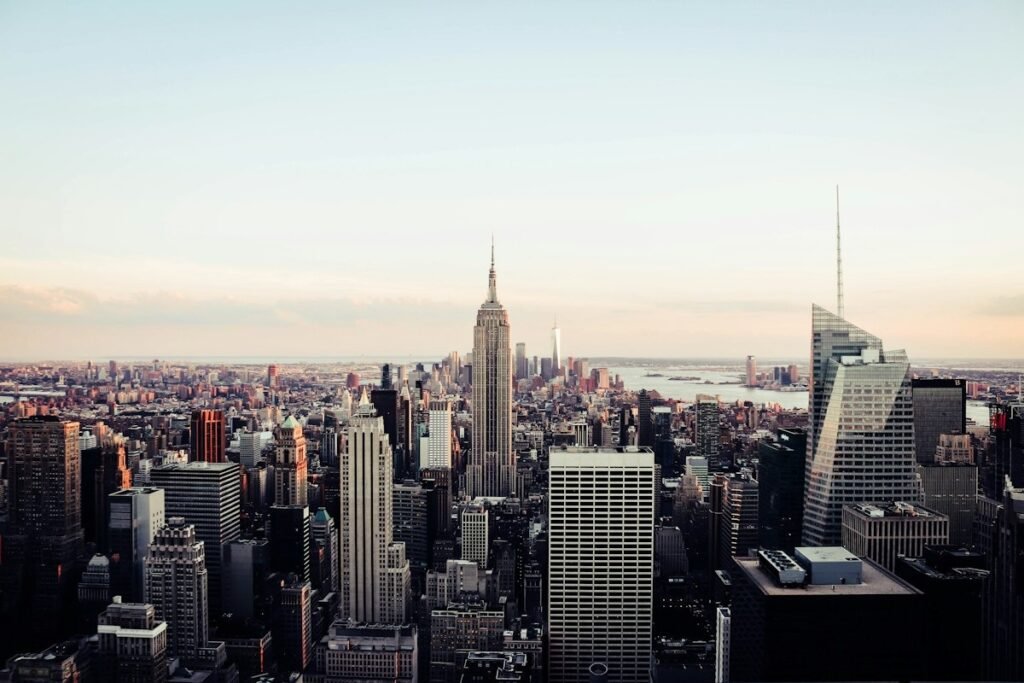
In a landmark triumph for urban sustainability and public parkland preservation, NYC Parks and the Central Park Conservancy unveiled the completed first phase of the city’s $120 million Climate Resilience Initiative across both Manhattan’s Central Park and Brooklyn’s Prospect Park. The multi-borough project equips New York’s premier public green sanctuaries to withstand severe atmospheric river storms and heat island extremes.
Engineered Wetland Basins to Combat Flash Urban Flooding
At the core of the infrastructure overhaul lies the complete ecological restoration of Central Park’s Harlem Meer and Prospect Park’s Lullwater. Engineers have integrated subterranean retention chambers and vegetative bioswales capable of absorbing up to 4.5 million gallons of torrential stormwater runoff per hour, shielding adjacent subway stations and residential basements across East Harlem and Park Slope from inundation.
Permeable Heritage Paths and High-Efficiency Solar Canopies
Traditional asphalt walkways have been replaced with historic-tinted permeable composite paving that allows rainwater to seep directly into natural groundwater aquifers. Additionally, civic pavilion hubs throughout the park perimeters now feature discreet solar glass canopies that generate 100% of the energy needed for park safety lighting, public emergency call stations, and free high-speed municipal Wi-Fi kiosks.
“Our parks are not merely scenic retreats; they are New York City’s living, breathing environmental armor. By investing in nature-based civil engineering, we ensure these historic landscapes protect millions of New Yorkers for the next century.”
— NYC Commissioner of Parks and Recreation
Community Recreation and Expanded Native Habitats
Alongside flood defense, the initiative introduces over 30,000 native pollinator shrubs, expanded boardwalks, and ADA-compliant viewing promontories. As autumn foliage reaches peak vibrancy this week, New Yorkers are encountering a revitalized park ecosystem that masterfully marries 19th-century Olmsted design with 21st-century environmental resilience.

Leave a Comment