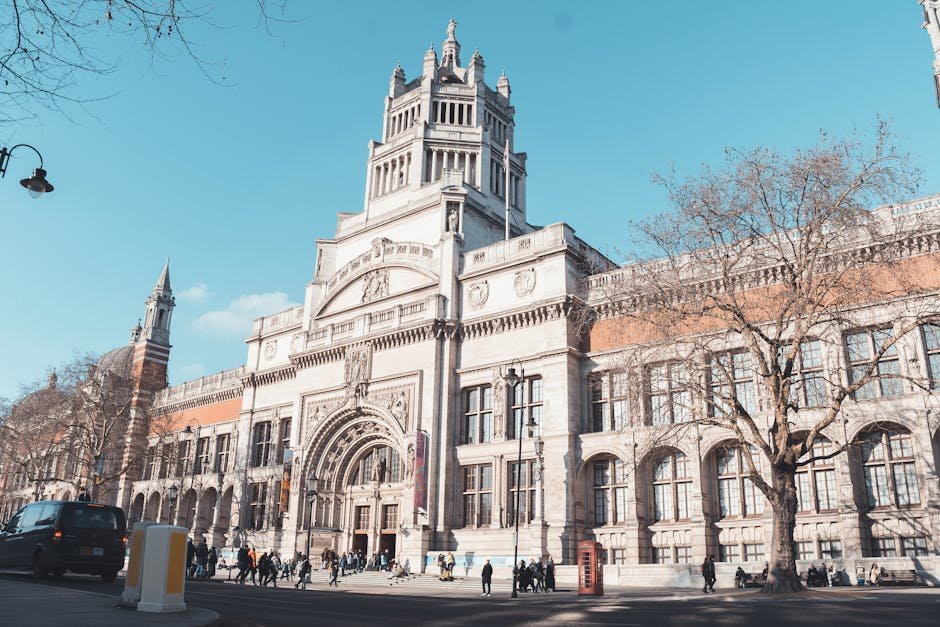
The Victoria and Albert Museum, long known for its grandiose architecture and extensive collections, has taken a bold step toward accessibility with the opening of its new branches in East London. Unlike its iconic South Kensington home, the new locations emphasize a more intimate, human-scale experience designed to engage a diverse urban audience. This shift reflects a broader cultural movement to decentralize art institutions and make them more inclusive.
Situated in vibrant neighborhoods that have historically been underserved by major cultural landmarks, the V&A’s East London branches offer a fresh take on museum-going. The design encourages community interaction and invites visitors to explore art and design in a way that feels personal rather than overwhelming. By embedding itself within the fabric of the city’s dynamic boroughs, the museum hopes to foster a democratic cultural space that resonates with local residents.
Critics and advocates alike are watching closely to see whether the museum can truly deliver on its promise of democratization. Its success will depend on programming that reflects the diverse backgrounds of East London’s population and on maintaining an open, welcoming atmosphere. The V&A’s move may set a precedent for other institutions aiming to break down traditional barriers between elite cultural spaces and the public.
The new branches also come at a time when New York City is grappling with similar questions about how to make art accessible across its boroughs. The V&A’s approach could provide valuable lessons for local museums and galleries seeking to broaden their reach and relevance. As the city continues to evolve, these efforts underscore the importance of cultural institutions that serve as true community hubs rather than distant monuments.

Leave a Comment